How to reserve a loading bay at Charlton station for removals
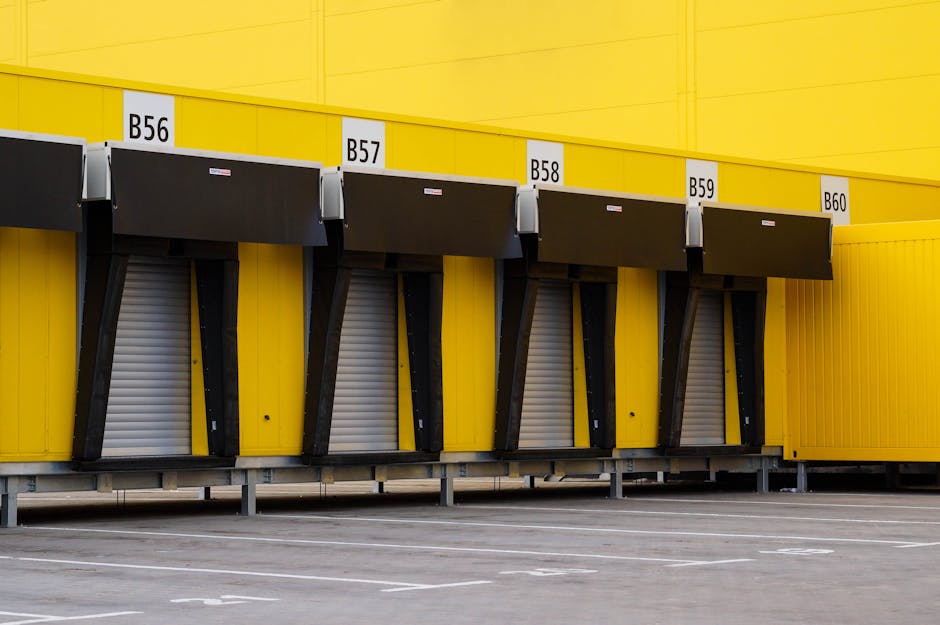
If you are planning a move near Charlton station, the loading bay can make the difference between a calm, efficient removal and a day of circling, carrying, and stress. Knowing how to reserve a loading bay at Charlton station for removals helps you organise vehicle access, protect your belongings, and keep the move on schedule. In practice, this is one of those small logistical details that saves a surprisingly large amount of time.
Whether you are moving from a flat, a maisonette, or a home with awkward access, the right loading space can reduce walking distance, protect the pavement, and make it easier for your removals team to work safely. Below, you will find a practical, plain-English guide to what a loading bay is, why it matters, how the booking process usually works, and what to do if the space is unavailable on moving day.
One quick note before we begin: station-side access can be busy, and local parking arrangements can change. So treat this as a step-by-step planning guide rather than a promise that every space will be simple to book. A little preparation goes a long way. Honestly, it often saves the day.
Why reserving a loading bay matters
A loading bay is more than a convenient spot to park a van. For removals, it is your working base. It keeps the vehicle close to the property, gives movers a defined place to load and unload, and helps prevent unnecessary delays. At a busy location near a station, that matters even more because the road layout, pedestrian flow, and short-stay demand can all create pressure at exactly the wrong moment.
If you are moving from a top-floor flat, a converted building, or a property where the entrance is tucked behind the main road, each extra minute spent searching for space adds friction. Boxes heat up in the van, furniture gets left on the pavement, and everyone ends up doing an awkward relay race. Not ideal. Reserving a loading bay gives the move a bit of breathing room.
It also reduces the chance of disputes. In busy areas, other drivers may assume a space is fair game. When the loading area is clearly arranged in advance, your driver and removals team can work with more confidence. That is especially useful for time-sensitive moves, student moves, and same-day removals where every minute counts. For related moving support, many people also look at man and van services or broader removal services when planning the day.
Expert summary: A reserved loading bay is not just a parking convenience. It is a practical control point that can improve safety, speed, and predictability during a move.
How reserving a loading bay at Charlton station for removals works
The exact process can vary depending on who controls the space and whether it sits on a public road, a managed forecourt, or within a controlled access area. In many cases, the key issue is not just the physical bay itself, but whether you need permission to use it for a removal vehicle and for how long. That is why people often check the details early rather than leaving it to the morning of the move.
In simple terms, the process usually follows this pattern:
- You identify the exact loading point you want to use.
- You confirm whether it is available for removal use at your preferred time.
- You check whether a reservation, permit, or booking is required.
- You provide vehicle details, timing, and move information if asked.
- You arrange signage, instructions, or arrival windows so everyone knows what to expect.
- You keep a backup plan in place in case the space is occupied or restricted on the day.
If the loading bay is part of station access rather than a general street bay, the rules may be more specific. You may need to coordinate the timing carefully so that the van can pull in, load quickly, and move out again without blocking foot traffic or public access. For anyone moving from a larger property, options like house removals or flat removals may be a better fit than a basic vehicle hire alone.
Truth be told, the biggest mistake is assuming a loading bay is automatically available because it exists. That is rarely safe. A bay can be time-restricted, share-use, or subject to local rules that affect how long you can stay. If there is any uncertainty, build in a phone call and a buffer. A five-minute check can spare a fifty-minute headache.
Key benefits and practical advantages
Reserving a loading bay for a removal job near Charlton station offers a few very real benefits, and they are not just about convenience.
- Shorter carrying distance: Fewer steps between the property and the van means less fatigue and lower risk of damage.
- Faster turnaround: Removal teams can load and unload in a more structured way, which helps keep the day on time.
- Better safety: Less time spent on the roadside reduces the chance of trip hazards, congestion, or awkward lifting in traffic.
- Less stress for neighbours and passers-by: A tidy, planned loading setup is usually less disruptive.
- Cleaner logistics for bigger items: Sofas, wardrobes, and white goods are far easier to manage when the van is close by.
There is also a mental benefit, and this one gets overlooked. Once the vehicle space is sorted, the rest of the move feels more manageable. You can focus on packing, labelling, and access inside the property instead of worrying about where the van will end up. For moves that involve delicate or bulky items, support from furniture removals or piano removals can be especially helpful because the team can plan around access more carefully.
In the real world, this is often the difference between a smooth departure at 9:15 a.m. and a slow, sweaty scramble at 9:45. And yes, that half hour can matter a lot more than it sounds like it should.
Who this is for and when it makes sense
Not every move needs a reserved loading bay. But many do, especially in busy transport-linked locations where road space is limited. If you are moving from a property close to the station, consider whether any of these apply:
- You live in a flat or apartment with limited street access.
- The nearest parking is usually full during the day.
- You are moving a large volume of boxes or furniture.
- You have time-sensitive access, such as a tenancy handover or office move.
- You are using a larger van or truck and need room to manoeuvre.
- Your building has shared entrances or restricted service access.
This is also relevant for students, first-time renters, and office movers. A student move often looks simple until you realise the stairwell is narrow, the lift is tiny, and the only stopping point is two streets away. For that kind of job, student removals can be a smart way to reduce the pressure.
Office and commercial moves can also benefit from advance loading planning because staff, equipment, and access windows all need to line up. If that sounds familiar, office removals and commercial moves may be worth reviewing as part of the planning stage.
Step-by-step guidance
Here is a practical way to approach the booking or reservation process without overcomplicating it.
1. Confirm the exact loading location
Start by identifying the precise bay or stopping point you want to use. A vague plan like "near Charlton station" is not enough. You need the actual loading area, side street, forecourt, or access point. Look at how far it is from the property entrance and whether the van can stand there without blocking something important.
2. Check whether permission is needed
Some loading areas are public bays with time limits, while others may be privately controlled or require approval. If the location is managed by a station operator, landlord, or site manager, ask what the process is for removal use. Keep your questions short and specific: when can I use it, for how long, and do I need to display anything?
3. Gather the move details
Have your information ready. You may need the moving date, time window, van size, and estimated loading duration. If the move is more complicated, mention whether there are stairs, lifts, or fragile items. This helps the person handling the booking understand the scale of the job.
4. Build the reservation around the moving schedule
Do not book the loading bay too late. You want the vehicle ready before the team starts carrying heavy items. A small overlap buffer is useful because the first boxes always take longer than you expect. The kettle somehow gets packed last, naturally.
5. Confirm any conditions in writing
If you receive instructions, save them. A text message, email, or booking note can be useful if there is confusion on the day. It is not about being distrustful; it is about avoiding memory lapses when everyone is busy.
6. Prepare for a fallback option
Even a good plan can meet a locked gate, an occupied bay, or a traffic delay. Decide in advance what happens if the space is unavailable. Can the van wait briefly? Is there a second loading point nearby? Would a smaller vehicle help? Thinking about that before move day makes everything feel less frantic.
If you are still deciding on the right transport setup, pages like removal van, removal truck hire, or moving truck can help you compare options alongside your access plan.
Expert tips for better results
These are the small practical details that tend to separate a smooth move from a messy one.
- Book the access before you book the lift-out: If the loading point is uncertain, your schedule is too loose.
- Keep the van size realistic: A bigger vehicle is not always better if the loading bay is tight.
- Label furniture by room: This makes quick loading easier and helps the team move faster once the bay is secured.
- Use packing materials properly: Good boxes, tape, blankets, and wrap reduce breakage when items are carried a shorter but faster route.
- Arrive early, but not too early: Too early can mean waiting around and losing your timing window.
- Speak to neighbours if needed: A quick heads-up can soften friction, especially in quieter residential blocks.
One thing I would stress: if the move includes awkward access or heavy items, ask for help rather than hoping it will "probably be fine". That is how backs get strained and corners get chipped. Better to be slightly overprepared. In our experience, people are usually relieved, not annoyed, when the plan is a little more careful.
If you are moving a full household and need additional support, home moves or house removalists can add structure to the day, especially when access is tight.
Common mistakes to avoid
These are the mistakes that come up again and again, and yes, they are annoying because they are usually avoidable.
- Leaving the reservation too late: Access arrangements often matter more than packing by the final day.
- Assuming the bay is available all day: Time restrictions are common, and they matter.
- Not measuring the van or access route: A loading bay that works for one vehicle may not work for another.
- Forgetting to check opening times: Station-linked locations can have windows, closures, or controlled access.
- Overfilling the van plan: If you are reserving a limited bay, you need a realistic loading sequence.
- Ignoring weather and traffic: Rain, wind, and peak travel times can slow everything down.
A subtle mistake is not telling the removal team enough about the setting. "There is parking nearby" sounds helpful, but it may not be enough. Better to say whether there is a fixed bay, if there are steps, whether the entrance is on a side road, and what happens if the space is blocked. That detail saves time later.
If you need temporary holding space for items because access is awkward or completion timings are uncertain, take a look at storage. It can be a useful pressure valve during complex moves.
Tools, resources and recommendations
You do not need a complicated toolkit to organise loading-bay access, but a few simple things help a lot.
- Measurement tape: Useful for checking furniture dimensions and tight access points.
- Phone camera: Take photos of the bay, kerb, entrance, and any restrictions so everyone is looking at the same thing.
- Printed or saved booking details: Handy if a site attendant or neighbour asks what is happening.
- Labels and markers: Essential if boxes need to be unloaded in a hurry.
- Removal-grade packing materials: Better boxes and wrap reduce damage during a short, intense loading window.
It is also worth reviewing the move provider's own service information before you commit. If you want a clearer idea of service scope and support, pages such as removal services, packing and boxes, and packing and unpacking services can help you assess how much assistance you actually need.
And if you are comparing providers, do not just ask "what do you charge?". Ask what they need from you to make access safe and efficient. That is where the practical value usually shows up.
Law, compliance, standards and best practice
Loading and unloading near stations can sit at the intersection of road safety, property rules, and common courtesy. While the exact requirements vary by location, the sensible approach is to assume that access must be managed carefully, especially where pedestrians, passengers, and vehicles all share a small area.
Best practice usually includes the following:
- Only using the bay for the time agreed.
- Keeping walkways and entrances clear.
- Not blocking emergency access or public routes.
- Using safe lifting methods and suitable vehicle positioning.
- Following any site-specific instructions without improvising.
If the move involves a managed building, a station-adjacent forecourt, or shared access, it is wise to ask whether any building rules apply. There may be site conditions about vehicle idling, booking windows, protective flooring, or who is allowed to marshal access. This is not glamorous stuff. Still, it matters.
On the removals side, sensible operators also pay attention to insurance, health and safety, and transparency around what is covered. For a deeper look at those areas, useful references on the site include insurance and safety and health and safety policy. If you want to understand payment handling and business terms before booking, payment and security and terms and conditions are also worth checking.
To be fair, most problems on move day are not legal drama. They are simple coordination mistakes. But that does not make them harmless. Good compliance thinking is really just good planning in plain clothes.
Options, methods and comparison table
When arranging loading access near Charlton station, you generally have a few practical routes. The best one depends on timing, vehicle size, and how busy the area is.
| Method | Best for | Pros | Potential drawbacks |
|---|---|---|---|
| Reserved loading bay | Planned removals with fixed timing | Predictable, efficient, easier for heavy items | May require advance permission or strict timing |
| Short-stay kerbside loading | Small or quick moves | Flexible, often simple to use | Higher risk of space being occupied |
| Timed arrival with helper support | Moves with limited access and manual carrying | Can work where parking is tight | Slower and more physically demanding |
| Vehicle swap or smaller van | Narrow streets or very restricted access | Improves manoeuvrability | May need more trips |
For some moves, a smaller man with van arrangement is enough. For others, a larger van or truck makes more sense because it reduces the number of round trips. The right answer is the one that fits the bay, the street, and the size of your load - not just the one that sounds easiest.
Case study or real-world example
Here is a realistic example. A couple moving from a third-floor flat close to Charlton station had a modest amount of furniture but a lot of boxed items. Their first instinct was to "just find parking on the day." Sensible enough on paper, but the access road was already busy with commuter traffic and short-stay stopping was tight.
Instead, they planned the loading window carefully, reserved the most practical stopping point they could arrange, and asked the movers to arrive with the van already staged. The boxes were carried in room-by-room batches, the larger items went last, and the whole move stayed calm. A little noisy, sure. There is always some clatter from wheels on paving slabs and a few muttered "mind the corner" moments. But it was orderly, and that is what matters.
The same approach works for office moves too. If equipment needs to come out of a building quickly and safely, a controlled loading point can keep staff out of the way and reduce the time spent blocking a shared access route. That is one reason people look into office relocation services when the move has a strict timetable.
Practical checklist
Use this checklist as your last pass before moving day.
- Confirm the exact loading bay or stopping location.
- Check whether a booking, permit, or approval is needed.
- Record the time window and any restrictions.
- Measure furniture and confirm vehicle size.
- Share access details with the removal team.
- Plan for stairs, lifts, or narrow entrances.
- Prepare labels, tape, wrap, and moving blankets.
- Have a backup parking or loading option.
- Keep booking notes and contact details handy.
- Double-check the schedule the day before the move.
Quick takeaway: if you only do three things, do these - confirm access, verify timing, and keep a backup plan. Those three alone prevent a lot of pain.
Conclusion
Learning how to reserve a loading bay at Charlton station for removals is really about making the move predictable. Once the vehicle access is organised, everything else becomes easier: loading, lifting, timing, communication, and even the mood on the day. That does not mean the move becomes effortless - let's be honest, it never quite does - but it does become far more manageable.
If you are planning a move near Charlton station, take the loading bay seriously from the start. Ask the right questions, confirm the details in writing where possible, and match the access plan to the size of the job. That is the difference between a rushed scramble and a properly controlled removal.
If you want help planning the move itself, comparing vehicle options, or understanding what support you may need, it is worth reviewing removals alongside the service pages that fit your job. A little structure now can save a great deal of stress later.
Get a free quote today and see how much you can save.
Frequently Asked Questions
How do I reserve a loading bay at Charlton station for removals?
Start by identifying the exact loading point you want to use, then check whether permission, a booking, or a permit is needed. Have your move date, time, vehicle size, and access details ready. If the bay is controlled, ask for the rules in writing if possible.
Do I always need to book a loading bay in advance?
Not always, but it is usually smarter to assume you may need to. Busy locations near stations can fill quickly, and some spaces are time-limited or managed. Booking in advance reduces the risk of delays on moving day.
What information will I need to give when reserving the space?
In most cases, you should be ready to provide the move date, estimated arrival time, vehicle type or size, and how long you expect to use the space. Some sites may also ask for contact details or the property address.
What if the loading bay is occupied when I arrive?
That is why a backup plan matters. You may need to wait briefly, use an alternative bay, or switch to a different nearby stopping point. Let the removal team know in advance what the fallback option is.
Can a man and van service handle loading bay reservations?
Yes, many move jobs can be handled with a smaller vehicle and organised access. A man and van service is often a good fit for compact moves where the loading bay is tight or the route is short.
Is a loading bay better than street parking for removals?
Usually, yes. A loading bay gives you a more controlled work area and often shortens the carry distance. Street parking can work for very small moves, but it is less predictable and more likely to create delays.
How early should I arrange the loading bay?
As early as you reasonably can. A few days may be enough for some simple situations, but for a busy station area or a more complex move, earlier is better. Planning the access first tends to make the rest of the job easier.
What size van should I use if the bay is tight?
Choose the smallest vehicle that still fits your load comfortably. Bigger is not always better if the bay or turning space is limited. If you are unsure, compare the move volume with the access route rather than guessing.
Do office or commercial moves need the same planning?
Yes, and often more so. Staff movements, equipment, and time windows make access planning even more important. If the move is business-related, look at commercial moves or office removals for a more suitable setup.
What should I do if I need temporary storage because the move timing is awkward?
Short-term storage can be a very practical bridge if your access window, completion time, or key handover is uncertain. It takes pressure off the day and gives you more flexibility. Sometimes that is the calmest option, and there is no shame in that at all.
How can I make the loading process faster once the bay is reserved?
Label every box clearly, keep heavier items near the exit, dismantle bulky furniture in advance, and group items by room. A well-packed van loads faster, and the whole move feels less chaotic. If you want extra help with packing, packing and unpacking services can save a lot of time.
Where can I learn more about safety, payment, and booking confidence?
Helpful site pages include health and safety policy, insurance and safety, and pricing and quotes. They are useful if you want a clearer picture of how the move is handled and what to expect.